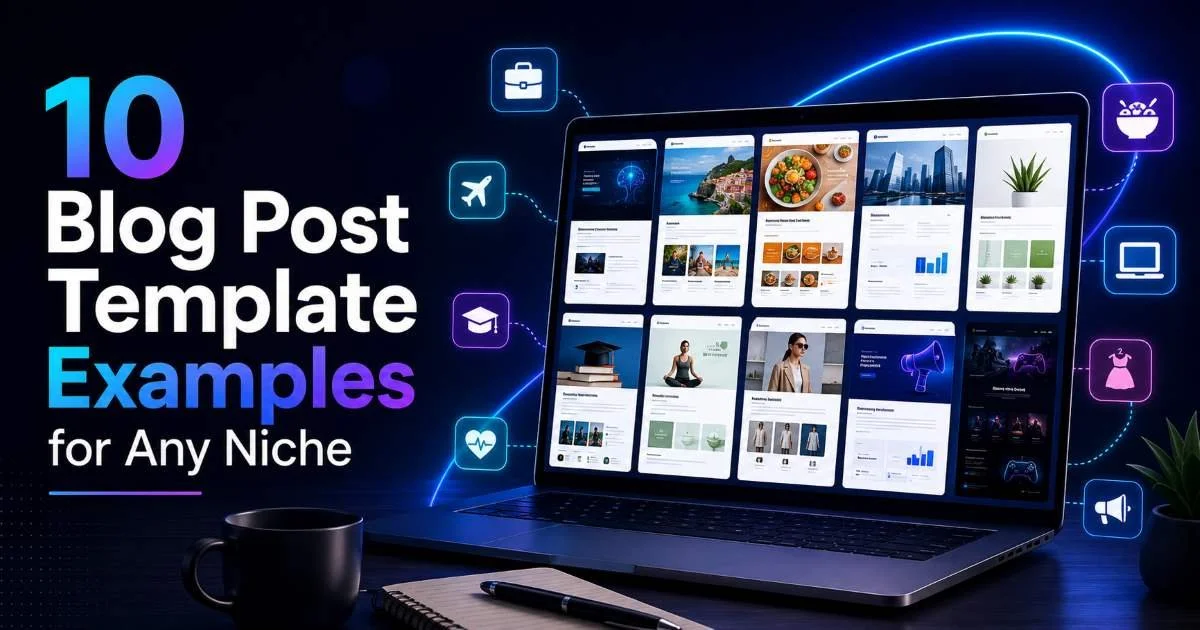
Blog post templates are the backbone of consistent, high-quality content writing. Whether you're launching a personal blog or managing content for a brand, having a reliable set of templates saves hours of planning and eliminates the blank-page paralysis that stops so many writers cold. The truth is, every niche benefits from structured content planning.
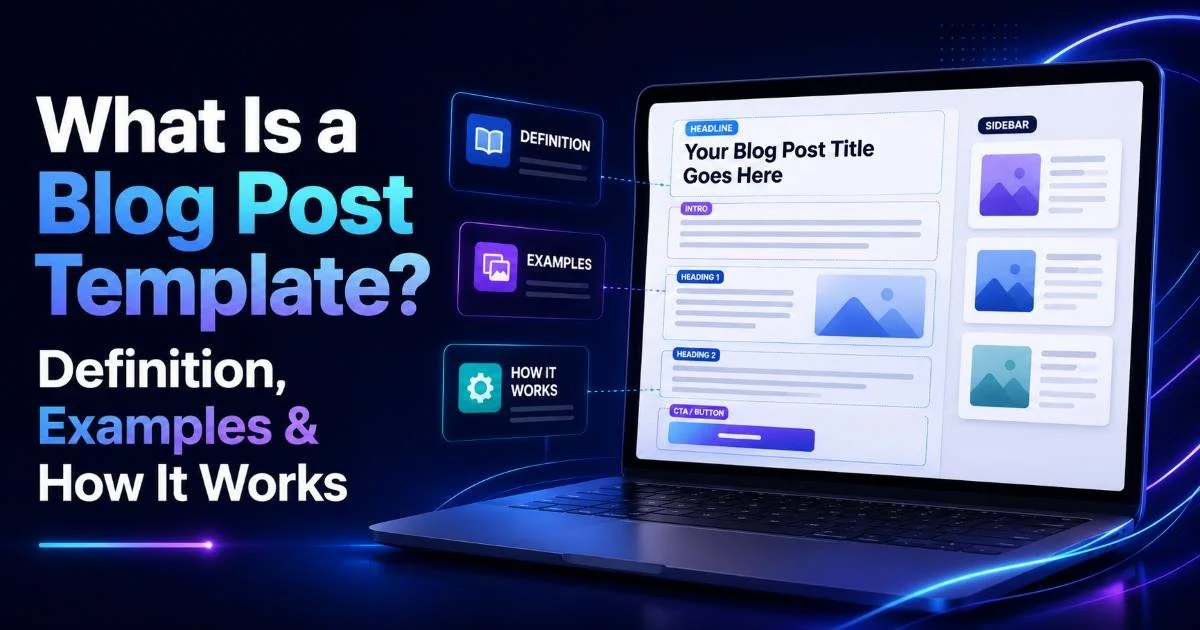
A food blogger needs different frameworks than a tech reviewer, but both need a clear outline to keep readers engaged. In this guide, you'll find ten practical blog post template examples you can adapt to virtually any topic. Each one comes with a specific structure, so you can start writing immediately instead of staring at a cursor. If you've ever wondered what a blog post template actually is and how it works, these examples will make the concept concrete.
Key Takeaways
- Templates remove guesswork and help you publish blog content faster and more consistently.
- Different niches require different structures, but ten core formats cover most situations.
- A strong outline is more important than perfect prose in your first draft.
- Mixing template types keeps your content calendar varied and reader-friendly.
- You can customize any template below to match your brand voice and audience.
1. Foundational Blog Post Templates Every Niche Needs
The How-To Guide Template
The how-to guide is probably the most universally useful blog post template in existence. It works for cooking blogs ("How to Make Sourdough Bread"), finance sites, fitness coaches, and SaaS companies alike. The structure is straightforward: introduce the problem, list numbered steps, and close with a summary or FAQ. Readers love how-to posts because they promise a specific outcome, and search engines reward them with featured snippets.
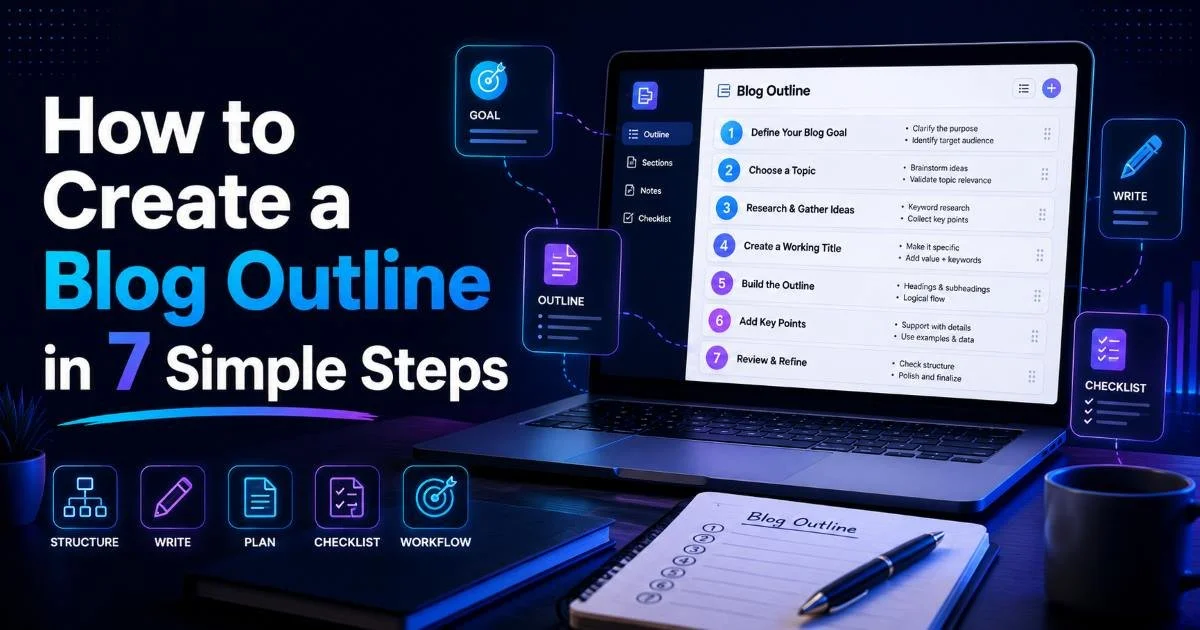
A typical how-to outline includes an introduction stating who the guide is for, followed by five to ten clearly numbered steps. Each step gets its own subheading with two to three paragraphs of actionable detail. You should include at least one visual per step when possible. If you're new to building outlines, learning how to create a blog outline in seven simple steps pairs perfectly with this template.
Start each how-to step with a verb. "Choose your platform" is stronger than "Platform selection."
The Listicle Template
Listicles consistently rank among the most-shared content formats online. The structure is simple: pick a number, list items with brief descriptions, and add your own commentary to each one. A financial blog might use "7 Budgeting Apps Worth Your Time," while a travel blog could run "12 Underrated European Cities." The key is adding genuine value to each item instead of just naming things without context.
Strong listicles vary the depth of each entry. Some items deserve three sentences; others need a full paragraph with a personal recommendation. Including a comparison table near the top helps readers scan quickly and decide which items interest them most. This format also adapts well to content planning across a whole quarter, since you can create themed listicles for seasonal topics.
The Ultimate Guide Template
Ultimate guides are long-form pillar content, typically 3,000 words or more. They aim to be the single most comprehensive resource on a topic. The template follows a textbook-like structure: overview, chapters broken into sections, examples, and a concluding action plan. Niches like digital marketing, personal finance, and health and wellness use this format to build topical authority and attract backlinks organically.
When writing an ultimate guide, plan your outline before you write a single paragraph. Each major section should stand on its own while connecting to the broader narrative. For an introduction to content planning with structured approaches, this guide on content planning with writing templates offers a solid starting point. Ultimate guides take more effort upfront, but they tend to generate traffic for years.
2. Templates Designed to Drive Engagement and Shares
The Comparison Post Template
Comparison posts answer the "versus" queries that millions of people type into Google every day. The formula is direct: introduce two (or three) options, evaluate them across consistent criteria, and declare a winner or recommend based on use case. This template works in any niche. A tech blogger might compare two laptops; a food blogger might compare air frying versus oven roasting. Even niche financial content, like a review of the best API for stock trading, follows a comparison structure when evaluating multiple platforms side by side.
The secret to a great comparison post is consistency in your evaluation criteria. If you judge Option A on price, features, and ease of use, judge Option B on those same criteria. A comparison table at the top gives scanners what they need, while the detailed sections below satisfy readers who want depth. This template is particularly effective for affiliate content and product-focused niches.
The Case Study Template
Case studies work exceptionally well for B2B blogs, marketing agencies, and freelancers who want to showcase results. The template follows a classic arc: situation, challenge, solution, and results. You start by describing the client or scenario, explain what problem existed, detail the approach you took, and then present measurable outcomes. Real numbers make case studies credible, so include percentages, revenue figures, or time saved whenever possible.
Read also How to Find SEO Ranking Opportunities in Your Niche
A strong case study post also includes direct quotes from the client or stakeholder. Even if you're writing about your own project, framing it as a narrative with a clear before-and-after transformation keeps readers invested. Case studies tend to be 1,200 to 2,000 words, which makes them manageable to produce monthly. They're among the best templates for building trust with potential customers.
"The best blog post template is the one that matches your reader's intent, not the one that's trending on social media."
The Expert Roundup Template
Expert roundup posts compile insights from multiple authorities on a single question. You reach out to ten or fifteen professionals, ask one focused question, and publish their responses with brief introductions. This template works in every niche because expertise exists everywhere. A fitness blog might ask trainers for their top recovery tip; a writing blog might ask published authors about their revision process.
The real benefit of roundups is the built-in promotion engine. Each contributor is likely to share the post with their audience, expanding your reach without paid advertising. The writing effort is relatively low since the experts provide most of the content, but you should add your own analysis at the end. Roundups also build relationships that lead to guest posting opportunities and collaborations down the road.
3. Niche-Specific Templates for Specialized Content
The Product Review Template
Product reviews follow a predictable but effective structure: introduction with your verdict upfront, detailed features breakdown, pros and cons list, comparison with alternatives, and a final recommendation. This template dominates affiliate marketing blogs, tech review sites, and beauty channels. The key differentiator between a mediocre review and a great one is personal experience. Readers can spot a review written from a spec sheet versus one written after actual use.
| Template | Best For | Typical Word Count | Difficulty Level |
|---|---|---|---|
| How-To Guide | Any niche | 1,200 - 2,000 | Beginner |
| Listicle | Any niche | 800 - 1,500 | Beginner |
| Ultimate Guide | Authority building | 3,000+ | Advanced |
| Comparison Post | Product/service niches | 1,500 - 2,500 | Intermediate |
| Case Study | B2B, agencies | 1,200 - 2,000 | Intermediate |
| Expert Roundup | Community building | 1,500 - 3,000 | Beginner |
| Product Review | Affiliate, tech | 1,000 - 2,000 | Intermediate |
| Personal Story | Lifestyle, memoir | 800 - 1,500 | Beginner |
| FAQ Post | SEO, support | 600 - 1,200 | Beginner |
| News/Opinion | Industry blogs | 500 - 1,000 | Intermediate |
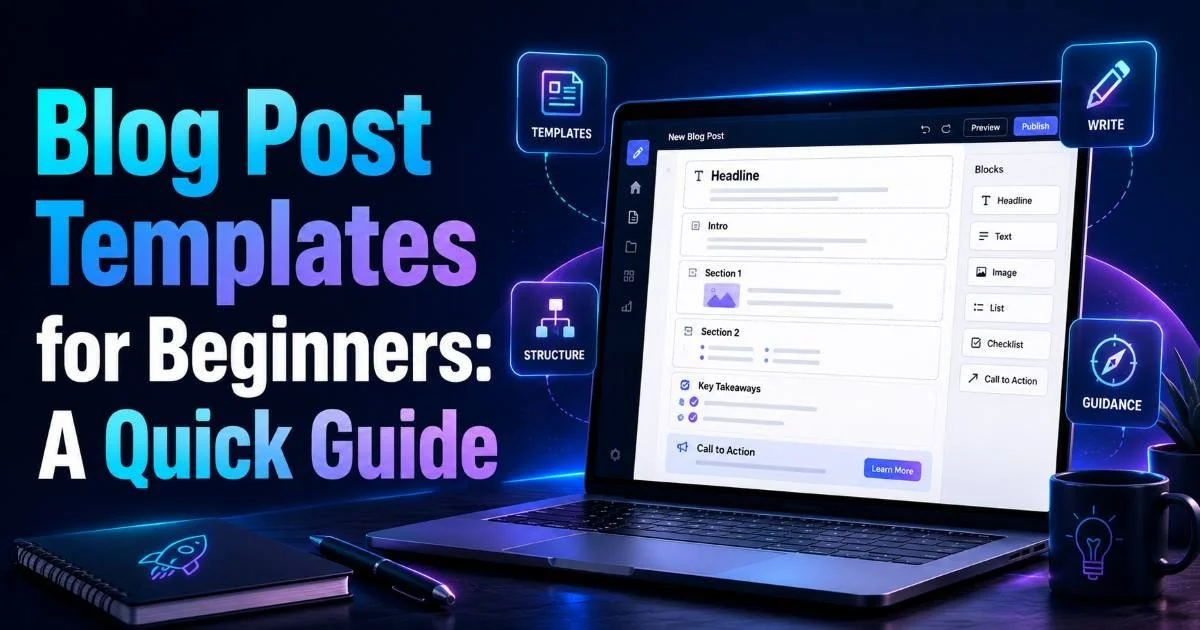
Include a ratings section if your niche expects it (stars, scores out of ten, letter grades). Be transparent about how you tested the product and for how long. Your pros and cons section should be genuinely balanced; listing only positives kills credibility. When beginners struggle with structuring reviews, a quick guide to blog post templates for beginners can help establish the basics before tackling more complex formats.
Always disclose affiliate relationships in product reviews. Transparency builds reader trust and keeps you compliant with FTC guidelines.
The Personal Story Template
Personal story posts follow a narrative arc: hook, background, conflict or challenge, turning point, and lesson learned. This template thrives on lifestyle blogs, parenting sites, and any niche where the writer's experience is the product. The opening hook should drop the reader into a specific moment, not a vague philosophical statement. "I was standing in the unemployment office with $43 in my bank account" hits harder than "Life can be unpredictable."
The trick with personal story templates is maintaining structure without sounding formulaic. Break the narrative into three to five sections with subheadings that tease what's coming. End with a concrete takeaway your reader can apply to their own life. This template also blends well with others; a personal story can wrap around a how-to guide or a product review, giving it an emotional dimension that pure informational content lacks.
4. How to Choose and Customize the Right Template
Matching Your Template to Your Goal
Not every post needs to be an ultimate guide, and not every topic warrants a listicle. The right template depends on your goal for that specific piece of content. If you want to rank for an informational keyword, a how-to guide or FAQ post is your best bet. If you're targeting buyers ready to purchase, a comparison post or product review will convert better. Think about intent before format.
Your content calendar should include a mix of template types to serve readers at every stage. A healthy blog publishing schedule might look like two how-to guides, one listicle, and one personal story per month. This variety keeps your audience engaged while covering different search intents. Map each template to a specific keyword cluster, and you'll build topical authority faster than bloggers who publish without a plan.
Customization Tips That Actually Work
Templates are starting points, not straitjackets. Once you pick a format, adjust section lengths based on your topic's complexity. A how-to guide for "tying a necktie" needs three short steps; a how-to guide for "building a WordPress site" needs fifteen detailed ones. Your brand voice should override any template's default tone. If your blog is casual and irreverent, inject that personality into every subheading and paragraph.
Add custom sections that serve your specific niche. A recipe blog might add a "Nutrition Facts" box to every post. A SaaS blog might include a "Setup Time" estimate. These small additions differentiate your content from competitors using the same basic templates. Save your customized templates as reusable documents in Google Docs or Notion so you can start new posts with a single click instead of rebuilding structure every time.
Create a "template library" folder with your five most-used formats, pre-filled with your brand's intro style and CTA preferences.
Finally, revisit your templates every quarter. As your writing improves and your audience evolves, your structures should evolve too. A template that worked when you had 100 readers might feel too basic when you have 10,000. Add complexity gradually, introduce new formats based on what your analytics reveal, and retire templates that consistently underperform. Content planning is an ongoing process, not a one-time setup.
Frequently Asked Questions
?How do I pick the right template when my post fits multiple formats?
?Is a listicle or how-to guide better for getting featured snippets?
?How long does it actually take to write a post using one of these templates?
?Can using the same template repeatedly make your content feel repetitive?
Final Thoughts
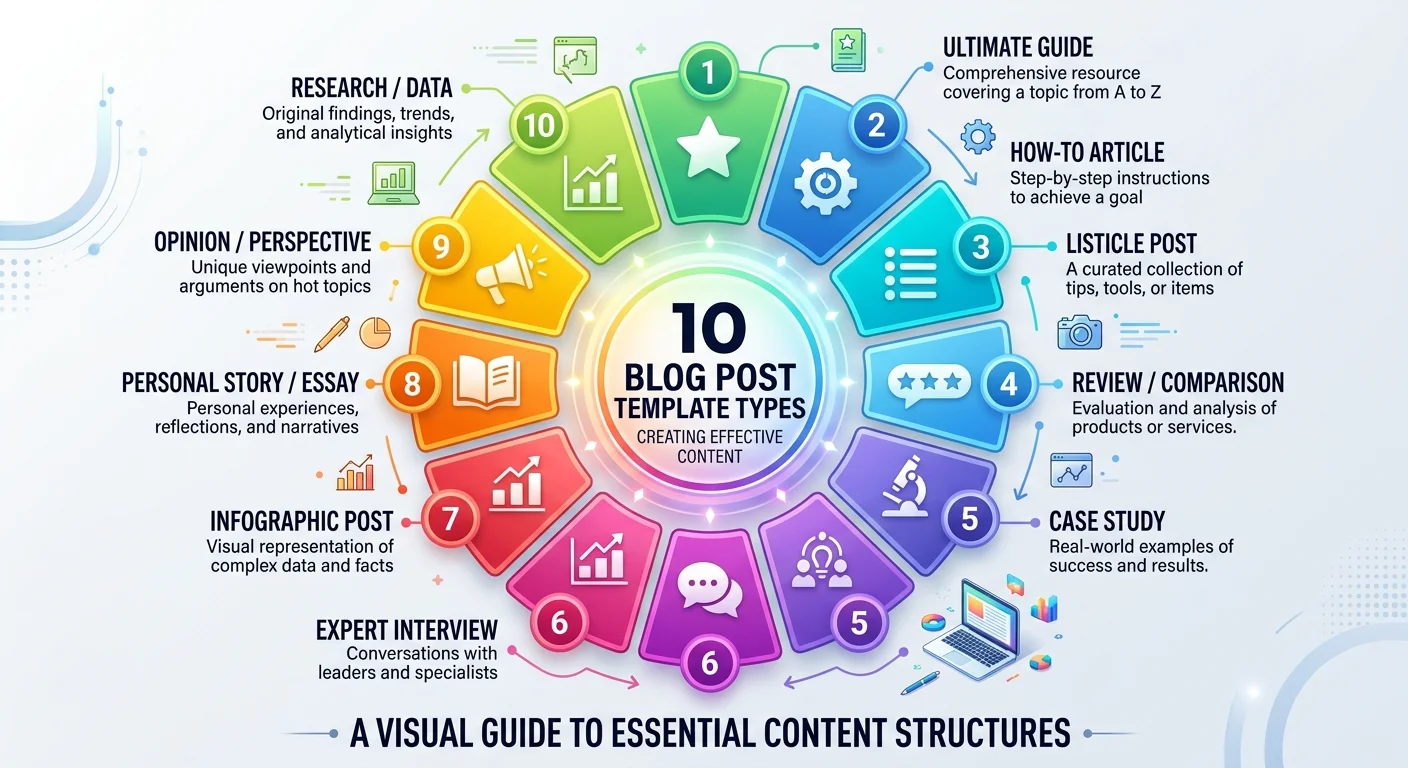
These ten blog post templates cover the vast majority of content needs across any niche. The how-to guide, listicle, ultimate guide, comparison post, case study, expert roundup, product review, personal story, FAQ post, and news/opinion format each serve a distinct purpose.
Pick two or three templates to master first, then expand your repertoire as you grow more comfortable. The goal is not rigid adherence to a formula but having a reliable outline that frees you to focus on what actually matters: writing content your readers find genuinely useful.
Disclaimer: Portions of this content may have been generated using AI tools to enhance clarity and brevity. While reviewed by a human, independent verification is encouraged.